
Cooking Techniques
Cooking Techniques

The Science Behind Cooking: Understanding Cooking Techniques
Cooking is not just an art; it's also a science. Understanding the scientific principles behind cooking techniques can help you become a better cook and elevate your dishes to the next level. From the Maillard reaction to emulsification, each cooking method involves chemical reactions and physical changes that transform raw ingredients into delicious meals.
1. Maillard Reaction
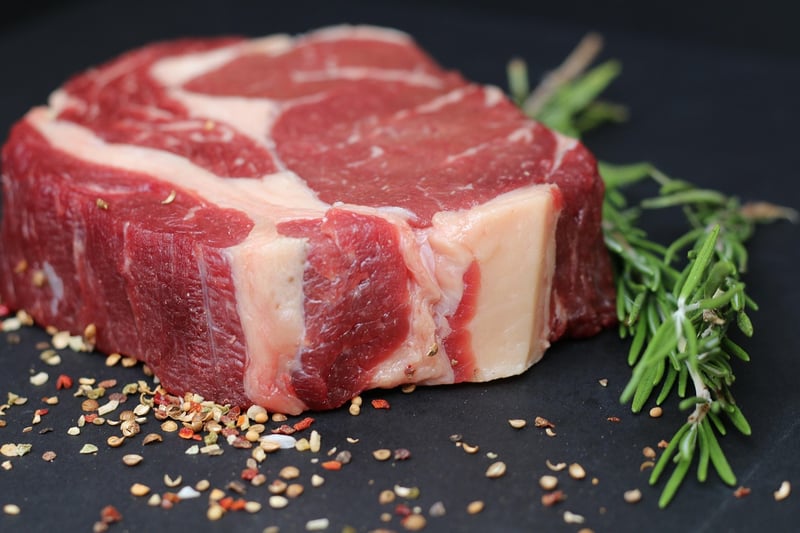
The Maillard reaction is a chemical reaction that occurs between amino acids and reducing sugars when exposed to heat. This reaction is responsible for the browning of foods, creating complex flavors and aromas. Grilling, roasting, and searing are cooking techniques that rely on the Maillard reaction to enhance the taste of meats, vegetables, and baked goods.
2. Emulsification
Emulsification is the process of combining two liquids that don't usually mix, such as oil and water, to create a stable mixture. Mayonnaise, vinaigrettes, and hollandaise sauce are examples of emulsions. By understanding the science behind emulsification, you can achieve the perfect creamy texture and prevent the mixture from separating.
3. Caramelization
Caramelization is the browning of sugars when exposed to heat, resulting in a rich, sweet flavor. This process is essential in making caramel, roasted vegetables, and baked goods like cookies and cakes. By controlling the temperature and cooking time, you can achieve the desired level of caramelization and enhance the taste of your dishes.
4. Sous Vide Cooking
Sous vide cooking involves vacuum-sealing food in a bag and cooking it in a water bath at a precise temperature for an extended period. This technique ensures even cooking and retains the food's moisture and flavor. By understanding the science of sous vide, you can cook tender meats, perfectly cooked eggs, and vibrant vegetables with consistency.
By delving into the science behind cooking techniques, you can not only master the art of cooking but also experiment with flavors, textures, and presentations. Whether you're a novice cook or a seasoned chef, understanding the principles of cooking science can take your culinary skills to new heights.
Explore more about the science behind cooking and elevate your kitchen creations!